
First Judicial District Attorney defends the part-time position as legal; critics demand an investigation and release of the complete legal opinion
BY ROGER M. RAEL
THE RATON RANGE
SANTA FE—A sitting New Mexico legislator’s taxpayer-funded job inside a district attorney’s office has triggered ethics complaints, a request for an attorney general investigation and renewed scrutiny of her previous handling of public money.
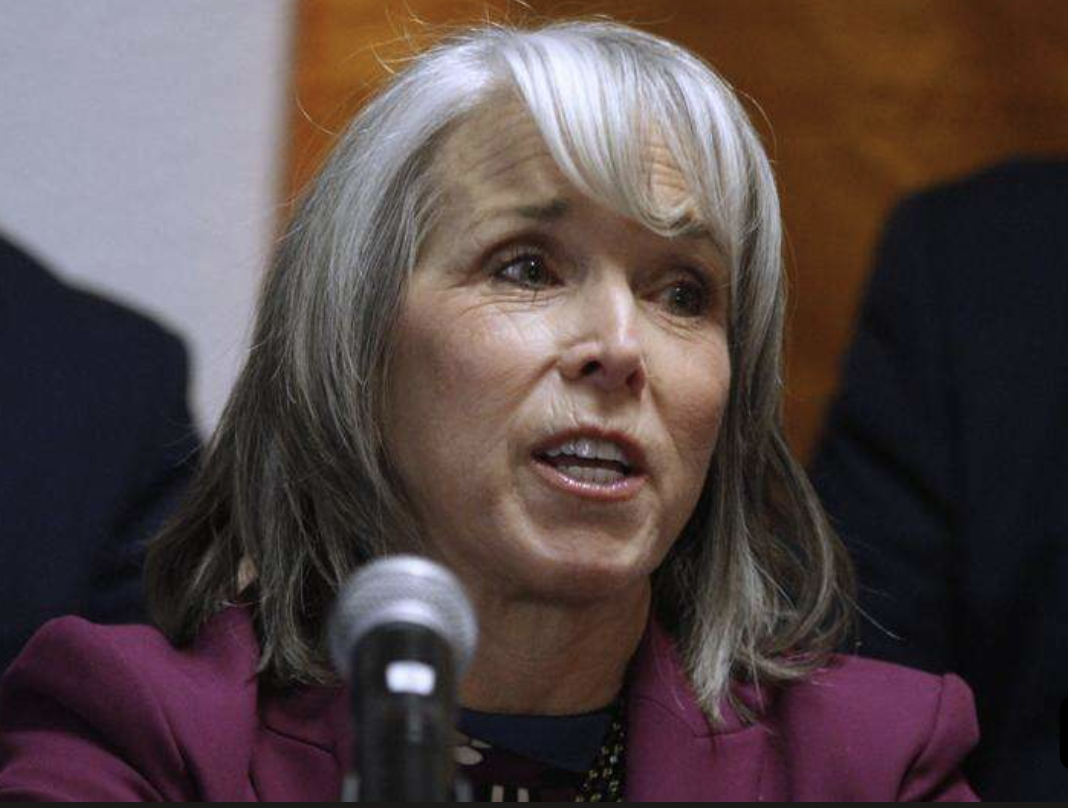
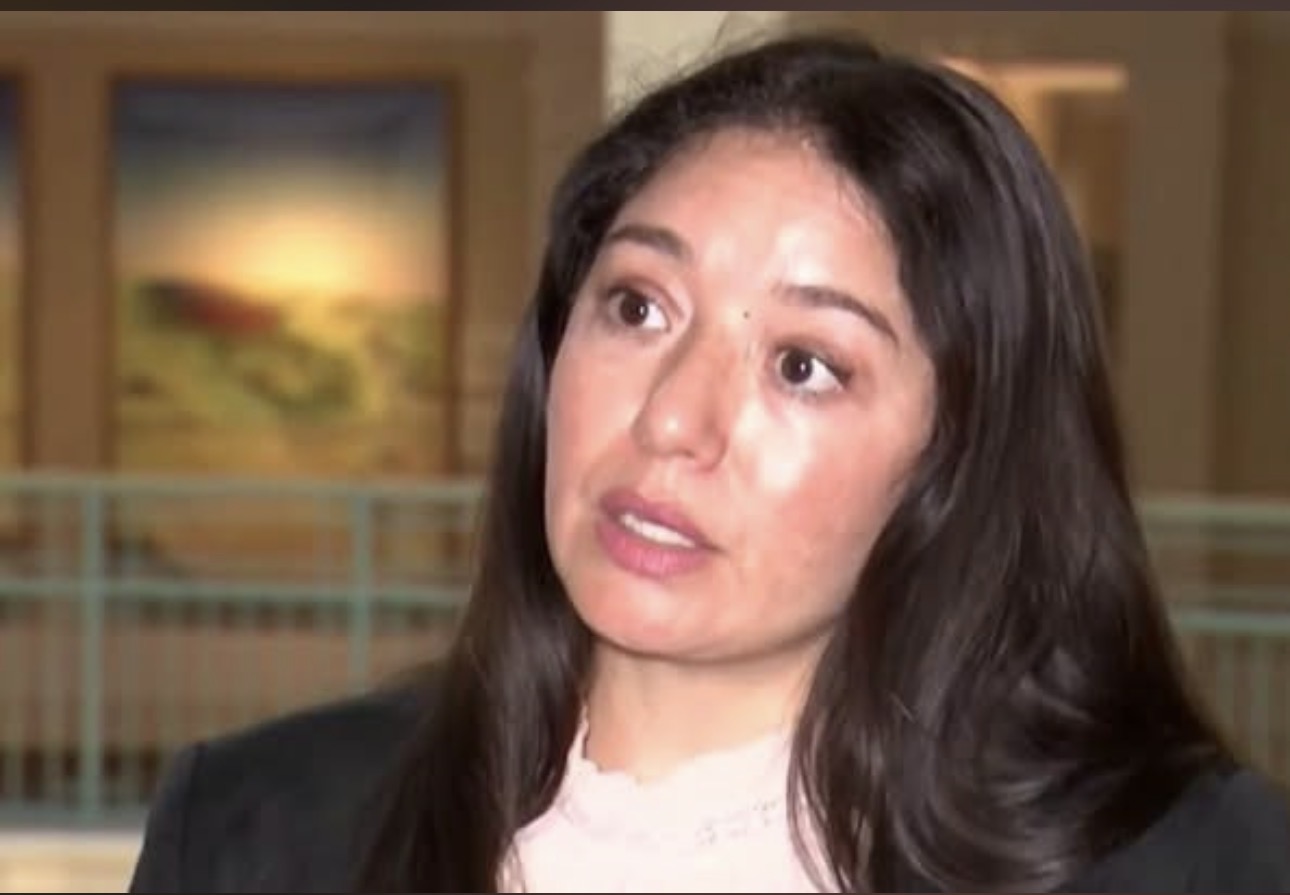
Rep. Andrea Romero, a Santa Fe Democrat representing House District 46, began working for the First Judicial District Attorney’s Office on May 23 as an “Assistant Trial Attorney.”
The office says Romero works part time for $48.08 an hour in a non-court-facing position. It says she does not sign pleadings or represent the state in court.
But those assurances have not settled the central question:
Can a sitting legislator legally receive compensation as an employee of another state office?
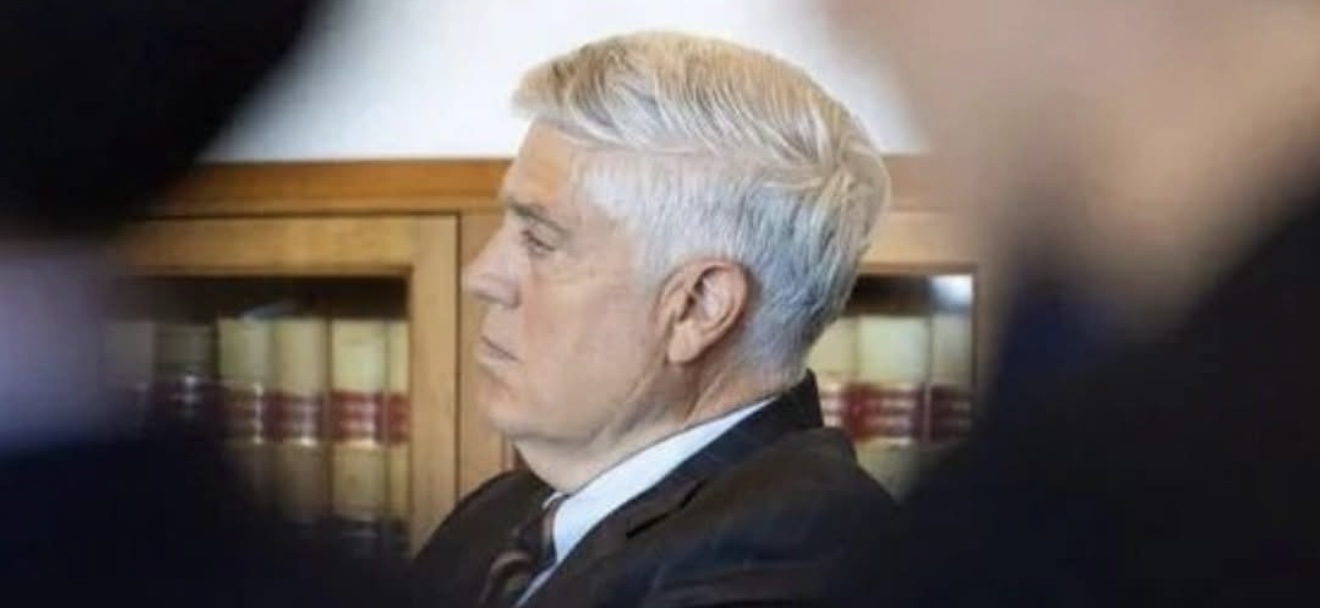
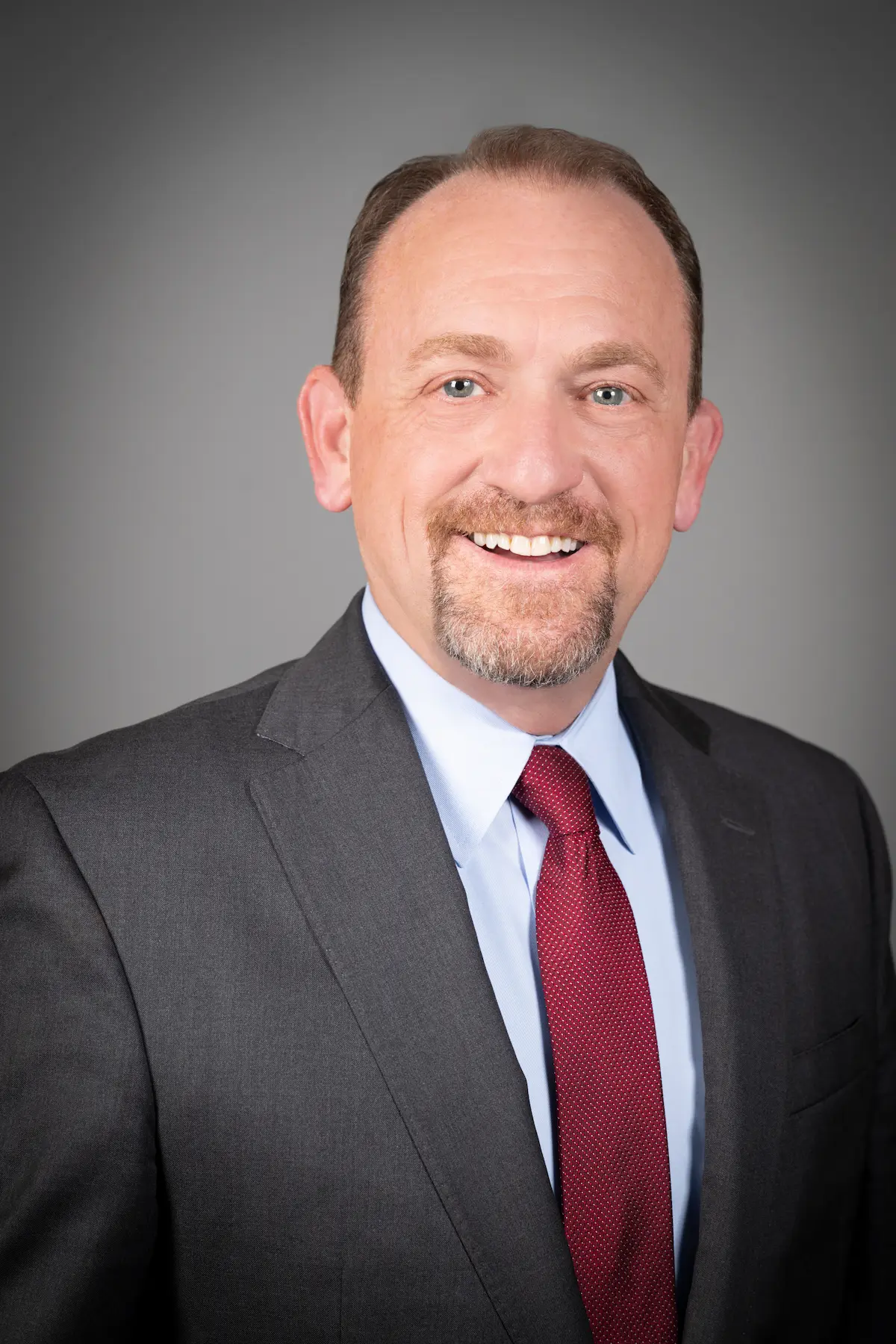
House Republican Whip Alan Martinez asked Attorney General Raúl Torrez to investigate Romero’s employment and the actions of First Judicial District Attorney Mary Carmack-Altwies.
Martinez later filed an ethics complaint with legislative leadership. According to the complaint, a separate member of the public also submitted a complaint to the New Mexico State Ethics Commission.
These remain allegations. As of publication, The Raton Range has found no public criminal charge, ethics ruling, probable-cause determination or attorney general finding against Romero or Carmack-Altwies.
WHAT NEW MEXICO LAW SAYS
The complaints cite three state statutes.
Section 2-1-3 of the New Mexico Statutes says it is unlawful for a legislator to receive compensation for services performed as an officer or employee of the state, except for authorized legislative compensation and expenses.
Section 2-1-4 prohibits a state officer from paying a legislator for services as a state officer or employee.
Section 2-1-5 says a proven violation of those sections is a felony punishable by a fine, imprisonment or both.
The First Judicial District Attorney’s Office says it exercised appropriate diligence before hiring Romero and maintains that the position is lawful.
The office’s description of Romero as a non-court-facing “Assistant Trial Attorney” raises additional questions about the difference between her title and her actual duties.
In a 2024 formal attorney general opinion addressed whether legislators may serve as assistant district attorneys because of the authority and oath connected to those positions. Martinez is demanding the complete legal opinion Romero and the district attorney’s office reportedly relied upon—not selected excerpts or summaries.
The full opinion and all related written advice should be released.
If the arrangement is legal, the complete record should demonstrate that. If legal counsel placed limitations on Romero’s duties, the public deserves to see those limitations.
HOW MUCH HAS ROMERO ACTUALLY BEEN PAID?
An annualized payroll figure of approximately $101,006 has circulated publicly, but that does not necessarily mean Romero has received that amount.
At the reported rate of $48.08 per hour, $101,000 would represent roughly a full-time annual salary. The district attorney’s office says Romero is a part-time employee.
The Raton Range has not independently confirmed the total number of hours Romero has worked or the gross amount she has received since May 23.
Romero’s official legislative profile continues to list her occupation as “Entrepreneur.” It does not identify her employment with the First Judicial District Attorney’s Office.
Romero also chairs New Mexico’s Epstein Survivors’ Truth Commission, formally the House Special Investigatory Committee examining what happened at Jeffrey Epstein’s former Zorro Ranch.
A public official leading an investigation centered on disclosure and accountability should understand why citizens expect the same transparency concerning her own government employment.
THE LOS ALAMOS PUBLIC-MONEY RECORD
This is not the first time Romero’s handling of publicly funded expenses has faced scrutiny.
Before entering the Legislature, Romero’s company—Andrea Romero Consulting LLC—was contracted to serve as executive director of the Regional Coalition of LANL Communities.
The coalition was made up of northern New Mexico cities, counties and pueblos surrounding Los Alamos National Laboratory. Its funding included public money contributed by member governments and the U.S. Department of Energy.
Romero’s company received a contract worth $140,000 annually, plus authorized expenses.
Following complaints alleging misuse of public funds, the New Mexico Office of the State Auditor conducted a special audit covering July 2014 through June 2018.
The audit found that Romero’s company had been reimbursed $2,246.90 more than allowed. The company repaid that amount in April 2018.
The audit and contemporaneous news reports documented questioned expenses that included:
A $1,850 dinner in Washington, D.C., on an invoice that included alcohol
$307 for 12 Major League Baseball tickets
$40 in museum tickets
A $22 seminar ticket
A $286.78 dinner at the Bull Ring
Hotel entertainment and honor-bar charges
Wine, meals and expenses involving guests
Missing itemized receipts
Twenty-eight instances of duplicate mileage totaling $1,115.76
Coalition policy prohibited reimbursement for alcohol, gifts, entertainment, recreational activities and expenses for spouses, family members or other guests.
The public record does establish is that her consulting company submitted and received taxpayer-backed reimbursements that auditors later found included prohibited or unsupported meals, alcohol, tickets, entertainment and travel expenses.
Romero said at the time that the controversy was politically motivated and that the coalition had approved the spending.
The audit also faulted the coalition’s board and Los Alamos County, which served as fiscal agent, for inadequate oversight and weak controls. Responsibility for approving the payments did not rest solely with Romero.
The Los Alamos audit did not result in a criminal conviction. The current complaints have not produced a finding that Romero violated the law.
Those facts must be stated clearly.
But “not yet proven illegal” is not the same thing as “fully explained.”
Romero is a legislator, a committee leader, chair of a major investigatory commission and now an employee of a taxpayer-funded prosecutor’s office. The public has every right to examine whether those positions conflict and whether state law permits her to receive that compensation.
The First Judicial District Attorney’s Office says it performed its due diligence.
Then it should release the documents.
Romero reportedly relied on legal advice.
Why hasn’t she should release the complete opinion? Public confidence is not built with carefully selected excerpts, job-title wordplay or assurances that everything was reviewed behind closed doors.
Nobody holding public office should be protected from legitimate questions because answering them is inconvenient.
The law should apply exactly as written—and it should apply to everyone.