

Roger Rael
The Raton Range
October 26, 2026
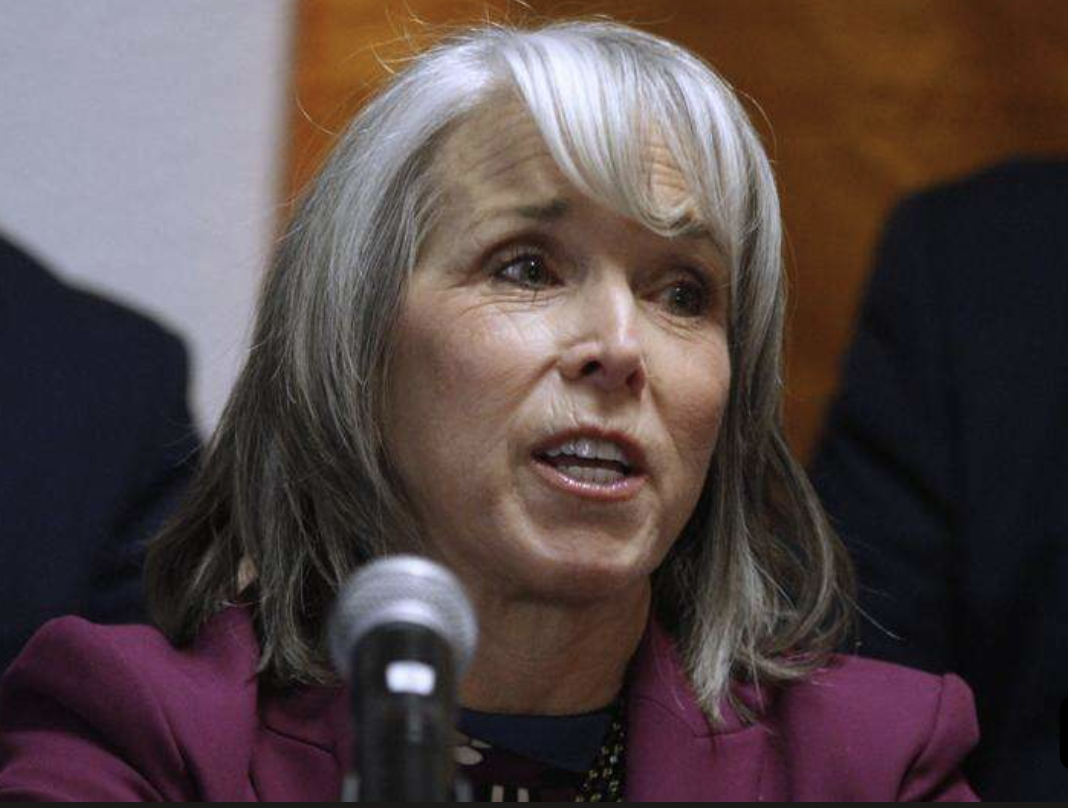
SAN JUAN COUNTY, N.M. — Gov. Michelle Lujan Grisham’s decision to visit flood-damaged communities in northwestern New Mexico on Monday has raised questions about leadership and public visibility during a disaster.
The governor’s office announced Sunday that Grisham would travel to San Juan County on Monday with New Mexico National Guard Maj. Gen. Miguel Aguilar to survey damage along the San Juan and Animas rivers and meet with local officials, first responders and affected families.
Paul Gessing, president of the Rio Grande Foundation, criticized the governor’s public response in comments provided to The Raton Range.
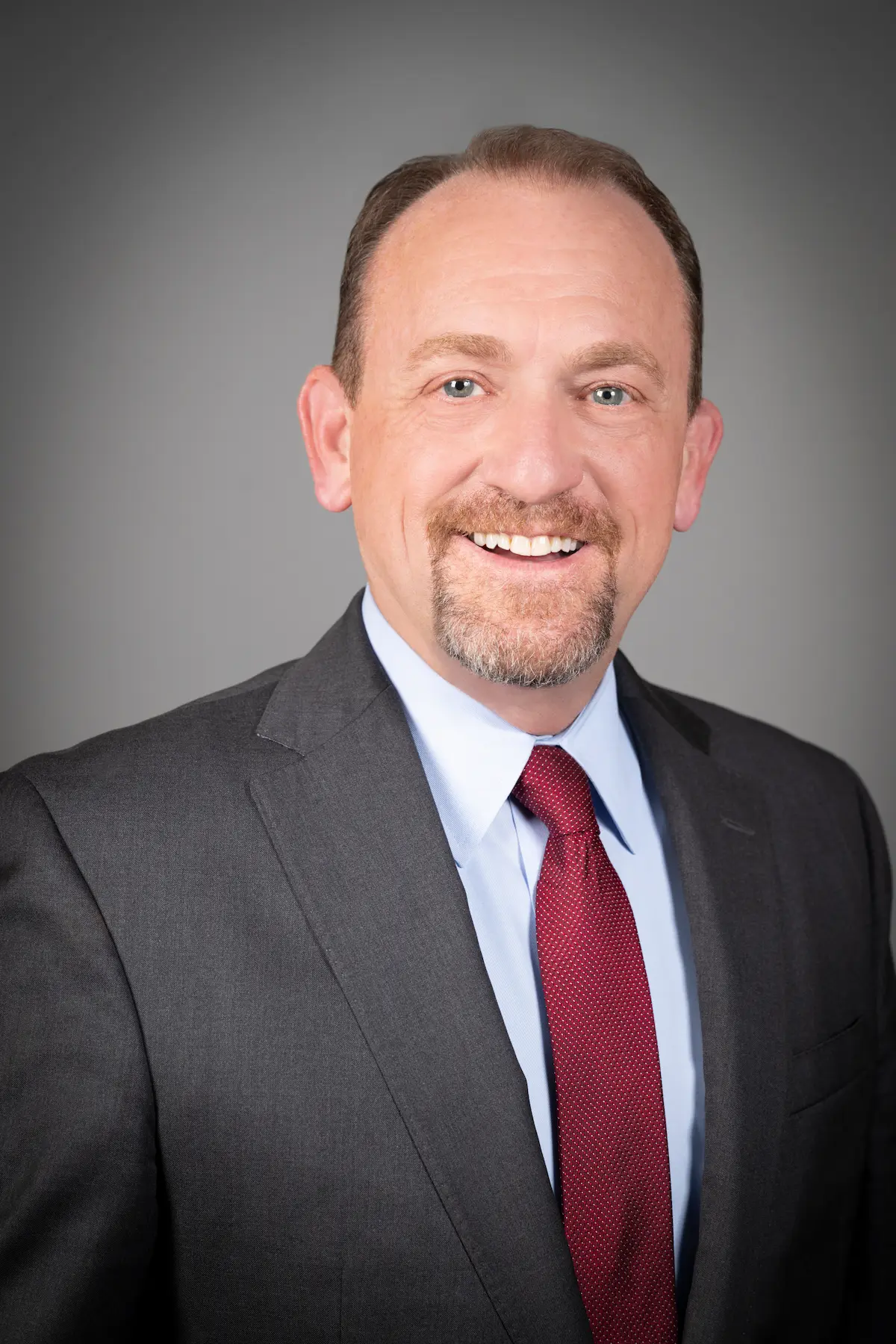
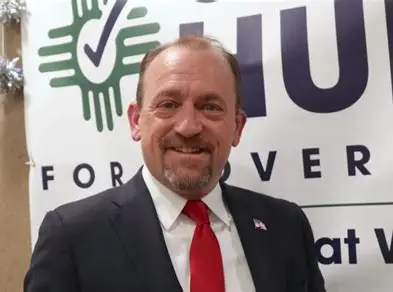
“According to social media posts, Gregg Hull has been actively helping people in the Four Corners for days. Michelle Lujan Grisham has been nowhere near to be found. She may not be able to help personally with the flooding, but so far her public statements and appearances have been lacking,” Gessing said.
Gessing’s comments raise questions about the governor’s visibility during the flooding and what residents should expect from elected officials during an emergency.
The governor’s office offered a different explanation for the timing of the visit, saying it was scheduled to give first responders, law enforcement and emergency vehicles time to complete rescues and other critical work.
State response and federal assistance
According to the governor’s office, approximately 58 New Mexico National Guard members were deployed to San Juan County on Friday and Saturday, including swift-water rescue teams. Helicopters and boats supported rescue operations, while New Mexico State Police dispatched specialized teams to assist local responders.
By Saturday, law enforcement had reported hundreds of water rescues between Farmington and Bloomfield. The National Weather Service estimated that thousands of homes and buildings had been affected.
On Saturday, Grisham requested a federal emergency declaration covering San Juan, Rio Arriba, Cibola and Sandoval counties, along with several Tribal nations and pueblos. Her administration said the request could unlock at least $13.8 million for emergency relief, with additional funding potentially available for environmental remediation.
The state had previously declared a statewide flooding emergency on Sept. 30, making up to $3.75 million available for emergency response and recovery.
The administration said its immediate priority was supporting rescue operations and helping affected communities recover.
Questions about accountability remain
The Raton Range also asked state Rep. Moe Maestas, a Democrat, whether he believes the governor should have visited the affected communities sooner.
A response from Maestas was pending at publication.
In a separate question to Gessing, the newspaper asked whether the circumstances resembled the state’s response to the Hermits Peak-Calf Canyon Fire and what residents have a right to expect from their governor during a crisis. That comparison was raised by the newspaper; Gessing’s response focused on the governor’s public visibility and Gregg Hull’s reported involvement in helping residents.
The timing of a governor’s visit is one part of the broader response to a disaster. The deployment of emergency personnel, communication with residents, coordination with local and Tribal governments, and delivery of recovery assistance are also measurable parts of the state’s response.
For residents dealing with damaged homes, evacuations, utility disruptions, and uncertain recovery timelines, the immediate concern is whether assistance will arrive quickly and whether state officials will remain engaged as recovery continues.
The Raton Range will continue reporting on the governor’s response, the recovery effort, and comments from elected officials.





Leave a Reply