
Unanimous decision follows findings of prosecutorial misconduct in three criminal cases, including a murder conviction overturned by the court
By Roger Rael
The Raton Range
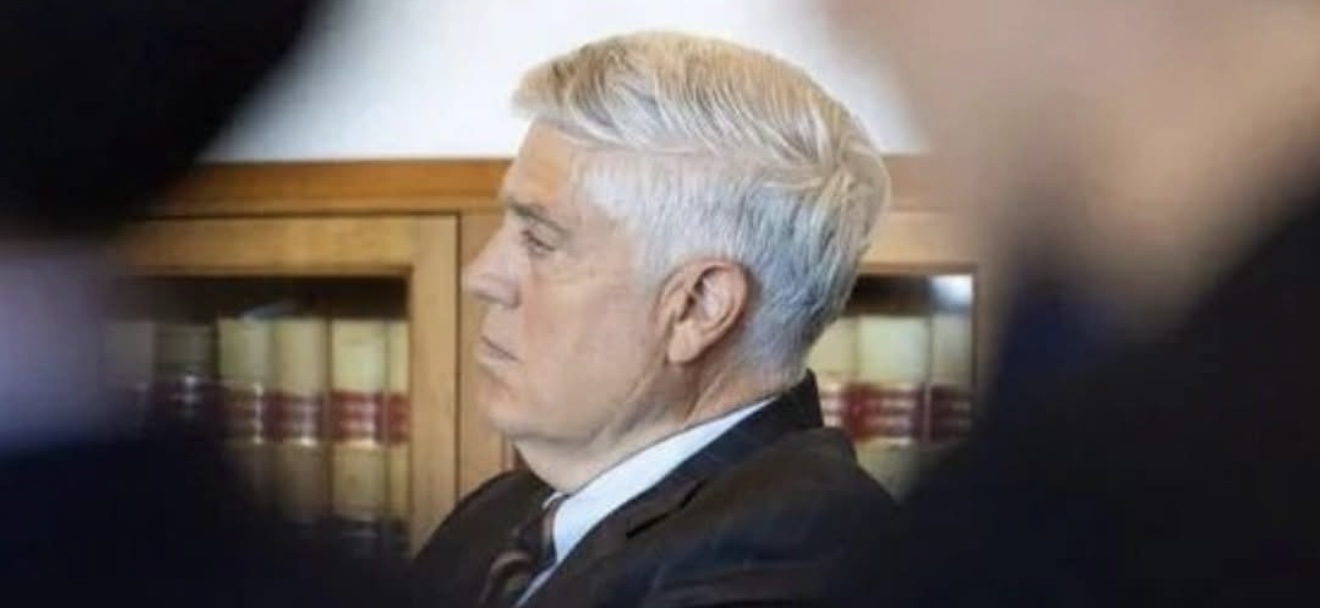
SANTA FE — The New Mexico Supreme Court on Monday permanently disbarred Cosme Ripol, a prosecutor with the 8th Judicial District Attorney’s Office, ending his legal career in the state following findings of misconduct in three criminal cases.
All five justices concurred in the Nov. 2 order, which took effect immediately. The decision adopted disciplinary findings involving Ripol’s conduct between 2022 and 2024, including the introduction of inadmissible evidence, inflammatory statements about defendants and courtroom conduct that resulted in unfair proceedings, according to reporting by the Albuquerque Journal and The Taos News.
The disciplinary case examined three prosecutions: State v. Desiree Lensegrav, State v. Daniel Chavez and State v. Cruz Castillo.
The findings raise serious questions about the use of prosecutorial authority in a district that includes communities such as Taos and Raton. Prosecutors are responsible for presenting evidence fairly and pursuing justice within the boundaries of the law. The Supreme Court’s decision permanently removes Ripol from that profession in New Mexico.
In a statement Monday, 8th Judicial District Attorney Marcus Montoya acknowledged the decision and said prosecutors are held to a higher standard because of their responsibility to seek justice.
“When improper tactics are employed in the courtroom, even by an attorney with more than thirty years of criminal law experience, that standard is not met,” Montoya said.
Montoya also thanked Ripol for his decades of work as a defense attorney and prosecutor, calling the disbarment “an unfortunate end to his career.”
Lensegrav convictions overturned
One of the most consequential cases involved Desiree Lensegrav, who was convicted in connection with the 2019 killing of Joseph Morgas in Taos County.
In February 2025, the New Mexico Supreme Court unanimously overturned Lensegrav’s convictions, finding that prosecutorial misconduct had deprived her of a fair trial. The justices also ruled that constitutional double-jeopardy protections prohibited the state from retrying her.
The court criticized Ripol’s use of inflammatory language and references to witchcraft during the prosecution. He repeatedly referred to Lensegrav as a “bruja,” the Spanish word for witch.
The court also addressed the use of inadmissible evidence and the prosecution’s handling of physical evidence from the victim’s remains. The odor from the evidence became so disruptive that the trial judge ended proceedings early.
The Supreme Court described the misconduct as “outrageous prosecutorial misconduct” that had pervaded the trial.
The ruling meant Lensegrav’s convictions could not stand and the state could not try her again on those charges.
Chavez case drew separate criticism
Ripol’s conduct in the murder prosecution of Daniel Chavez also came under scrutiny.
Chavez was convicted in connection with the 2022 stabbing death of Joshua Trujillo outside a gas station in El Prado. The New Mexico Supreme Court upheld Chavez’s conviction in October 2025 but admonished Ripol for inflammatory language used during the trial.
Among the statements attributed to Ripol were descriptions of Chavez as a “macho man” and comparisons of the killing to butchering a pig.
Although the court did not overturn Chavez’s conviction, its criticism became part of the broader record examined during the disciplinary proceedings.
Third case resulted in mistrial
The third case involved Cruz Castillo, in which Ripol was accused of referring to evidence that a district judge had previously ruled inadmissible.
The conduct resulted in a mistrial, according to reporting on the disciplinary proceedings.
The three cases formed the basis for the disciplinary board’s recommendation that Ripol be disbarred. The board issued its recommendation in July after reviewing the findings of a disciplinary hearing committee.
The Supreme Court heard oral arguments Oct. 13 before issuing Monday’s final order.
Permanent consequences
Disbarment is the most severe professional sanction available against an attorney in New Mexico. Under the state’s disciplinary rules, permanent disbarment means an attorney cannot seek reinstatement to practice law in the state.
The decision closes Ripol’s legal career in New Mexico, but the consequences of the cases reviewed by the disciplinary board extend beyond his professional status.
In the Lensegrav prosecution, the state’s case ended with convictions vacated and a retrial prohibited. In the Castillo matter, the proceedings ended in a mistrial. The Chavez conviction remained intact, although the Supreme Court separately criticized the prosecutor’s courtroom conduct.
The Supreme Court’s decision makes clear that prosecutorial authority carries professional and constitutional obligations. The responsibility to pursue a conviction does not override a defendant’s right to a fair trial.
For the communities served by the 8th Judicial District, the ruling is a significant development in the oversight of the office responsible for prosecuting criminal cases.
The prosecutor’s license is now gone. The court’s findings will remain part of the public record.
The Raton Range will continue examining the disciplinary decision, the underlying court records and any implications for cases handled by the 8th Judicial District Attorney’s Office.




Leave a Reply