
Las Vegas utilities director says unusual odor is tied to drought, low water flows and extreme heat
By ROGER M. RAEL
THE RATON RANGE
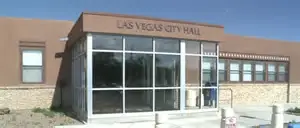
LAS VEGAS, N.M. — Las Vegas officials are offering an explanation after residents reported that their tap water smelled like dead fish, appeared discolored or left them uncomfortable using it for drinking, cooking and even bathing.
City of Las Vegas Water Utility Director Travis Martinez said the unusual odor does not necessarily indicate that the water is dangerous.
“A change in odor doesn’t mean the water’s unsafe,” Martinez said, describing the current problem as primarily an aesthetic issue affecting the water’s smell and possibly its taste.
According to Martinez, the odor is connected to a combination of extreme drought, low water flows and record-breaking temperatures. As water temperatures rise, the heat can affect how quickly chlorine — the disinfectant used to protect water as it travels through the distribution system — breaks down.
The city expects the water’s smell to improve when temperatures cool and additional monsoon rainfall allows the city to again rely more heavily on its primary water source.
The explanation follows reports from residents who said the smell coming from their faucets was strong enough to raise immediate concerns. One resident told The Raton Range the water smelled “like dead fish” and questioned whether it was safe to shower in, let alone drink.
Some residents have turned to bottled water for drinking and cooking. Others reportedly are using bottled water for bathing because they do not feel comfortable relying solely on assurances that the odor is harmless.
The city’s explanation provides residents with a possible cause, but the report did not include accompanying laboratory results, testing dates, sampling locations, chlorine-residual readings or detailed water-quality data.
Those numbers matter. When residents can see, smell or taste a difference in their water, reassurance alone may not be enough. Publicly releasing current test results — along with a plain-language explanation of exactly what was tested — would allow residents to see the evidence for themselves.
The odor complaints come while Las Vegas remains under Stage III water-conservation restrictions because of drought and limited supplies. Outdoor watering is restricted to one day per week, while vehicle washing, swimming-pool refilling and other nonessential water use remain limited.
Las Vegas has struggled with water-treatment and reliability problems since the Hermits Peak-Calf Canyon Fire damaged the watershed in 2022. Ash, sediment and other debris washing from the burn scar into the Rio Gallinas have repeatedly complicated the city’s ability to treat its drinking water.
A replacement water-treatment plant is being developed using $98 million in federal disaster funding. The planned facility will initially treat approximately 3.7 million gallons per day and could eventually expand to 5 million gallons per day.
The design includes granular activated-carbon filters intended to reduce dissolved materials that can cause unpleasant tastes, odors and discoloration. The permanent facility, however, is not expected to be completed until approximately 2029.
For now, city officials maintain that the smell should improve as the weather changes. Residents, meanwhile, will continue watching their faucets — and waiting for the water to smell, look and taste like water again.