
By Roger Rael
The Raton Range
Sept. 8, 2026, 2:12 p.m. MST
COMMENTARY / NEWS ANALYSIS
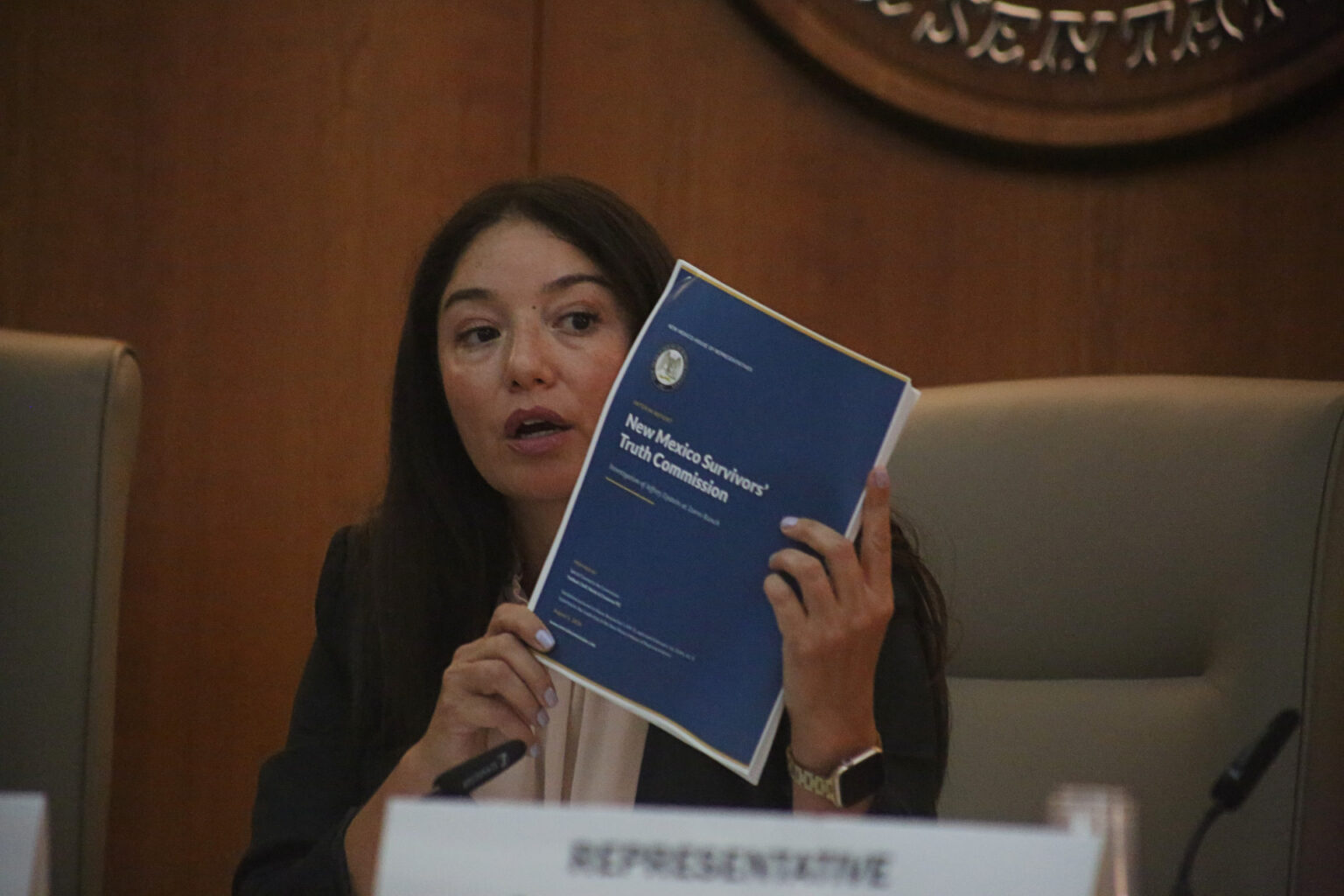
SANTA FE, N.M. — State Rep. Andrea Romero has resigned from her part-time position with the First Judicial District Attorney’s Office after the New Mexico Department of Justice concluded that employing a sitting legislator in a prosecutor’s office was unlawful.
The resignation may have ended Romero’s paycheck from the district attorney’s office. It did not end the questions surrounding how the arrangement happened in the first place.
Romero stepped down after Attorney General Raúl Torrez’s office issued guidance saying a district attorney’s office employing a sitting legislator outside a narrow statutory exception should treat the arrangement as unlawful and correct it without delay. The controversy centers on Sections 2-1-3, 2-1-4 and 2-1-5 of New Mexico law, which restrict compensation to legislators for service as state officers or employees and establish penalties for violations.
That distinction matters. Romero has not been convicted of a crime, and no court has ruled that she personally violated those statutes. But saying no conviction exists is not the same thing as saying there is nothing to investigate.
The public deserves to know why a sitting legislator was placed on a state payroll despite statutes specifically addressing compensation of legislators, who approved the arrangement, what legal advice was relied upon, how much Romero was paid and why the complete legal guidance has not been made public.
Romero says she sought and received explicit authorization before taking the job. The First Judicial District Attorney’s Office has backed her account, saying it sought guidance before hiring her and relied on that guidance. Torrez’s office disputes the suggestion that it previously told Romero her specific employment arrangement was lawful.
Those competing accounts make disclosure more important, not less.
If state officials received legal advice that genuinely authorized the arrangement, release it in full. If the advice was narrower than Romero and the DA’s office understood it to be, the public deserves to see that too. Selective excerpts and dueling press statements are not substitutes for the underlying documents.
There is another uncomfortable layer. Romero continues to serve in the Legislature and is listed by the Legislature as co-chair of the Interim Legislative Ethics Committee, a body whose very purpose involves questions of ethical conduct by lawmakers.
That makes transparency especially important.
Public officials cannot demand confidence merely because they say their intentions were proper. Confidence comes from records, complete explanations and accountability when government gets it wrong.
Romero’s resignation corrected the immediate employment problem identified by the attorney general. It did not erase the months she worked in the position, the public money already paid, the legal questions raised by critics or the ethics complaints that followed.
The Raton Range believes the correct response now is not partisan celebration and not political spin. It is disclosure.
Release the full legal advice. Release the employment records. Account for the compensation. Let the appropriate ethics and legal authorities determine whether any statute was actually violated.
That is how public trust is restored.
Not by resigning from one job and declaring the matter finished.