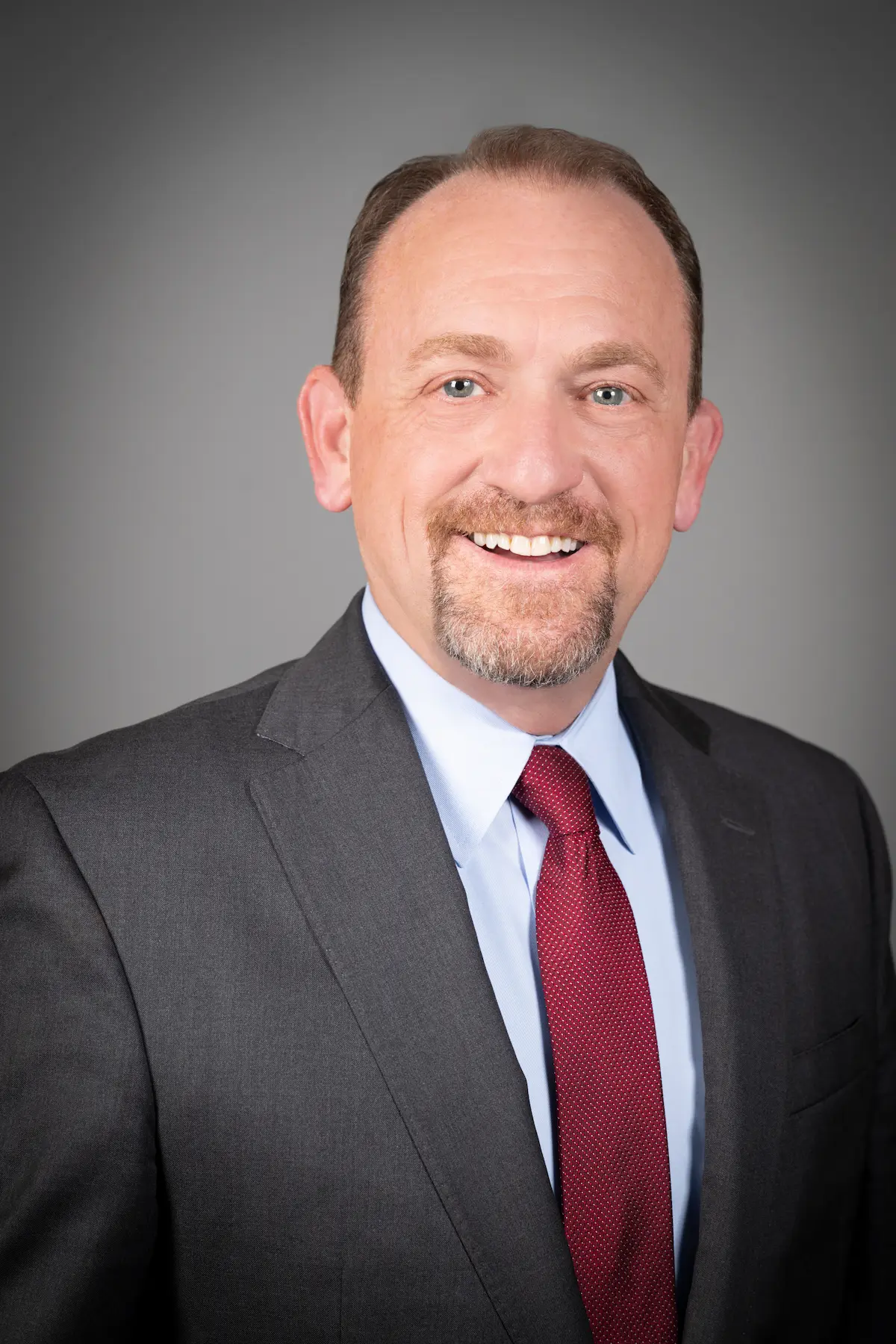

Roger Rael
The Raton Range
Sept. 9, 2026 | 5:23 p.m. MST
RATON, N.M. — I am tired of the bickering.
I am tired of watching neighbors turn against neighbors and political disagreements become personal battles before anyone stops long enough to ask a simple question: Where did this information come from?
Who wrote it? Who paid for it? Is there a real person standing behind it? Is the account sharing it legitimate? Or are we arguing with an anonymous social media account, a troll, or artificially generated content created to provoke a reaction?
Those are questions worth asking during any election season.
The National Association of Secretaries of State is again promoting its nonpartisan TrustedInfo initiative during the 2026 election cycle, encouraging voters to rely on state and local election officials for accurate information about voting and election administration.
The same level of scrutiny should apply to political advertising.
If a political action committee based in Texas, New Mexico or anywhere else spends money attempting to influence voters in Colfax County, citizens have every right to ask who is paying for the message, what organization is behind it and what interest that organization has in a local election.
Being from outside New Mexico does not, by itself, make political spending illegal. New Mexico allows independent political expenditures, but qualifying expenditures are subject to disclosure and reporting requirements through the Secretary of State’s Office. Those records are available for public review.
That means we do not have to guess.
Follow the money. Read the reports. Check the names and verify the claims.
Raton is not Texas. It is not Denver, Canada, New Zealand, or Timbuktu.
People have always come to northeastern New Mexico with ideas about how things worked somewhere else. Some invested, hired local people, and became part of the community. Others arrived promising economic salvation and left behind considerably less than what had been promised.
That history should not teach us to distrust everyone from somewhere else.
It should teach us to do our homework on everyone.
Local or outsider. Friend or stranger. Incumbent or challenger. Republican or Democrat.
Truth does not change because we like the person delivering it, and facts do not become false because they make us uncomfortable.
That is where Raton and Colfax County need to become better during this election season.
Too often political campaigns begin looking like a high school student council race. People choose sides because somebody is popular, because they grew up together, because their families are connected or because somebody is simply the person everybody knows.
Public office requires a more serious examination.
Voters can examine experience, education, employment history, leadership, judgment, ethics, community involvement and the actual responsibilities of the office. They can examine public records and ask candidates direct questions about decisions they have made.
Those questions are not personal attacks.
They are part of choosing people entrusted with public authority.
We should also stop treating political disagreement as betrayal.
Nobody owns another person’s vote.
A ballot should not become repayment for friendship or family loyalty. Voters ultimately make that decision privately, and they are entitled to reach it after reviewing whatever information they believe is important.
The same standard should apply when examining government itself.
Residents have the right to ask why decisions were made. They can request public records, attend meetings and question elected and appointed officials. Government officials, in turn, should be judged on documented actions rather than rumor.
When somebody raises a legitimate question, our first reaction should not be, “Whose side are you on?”
The better questions are: What do the records show? What are the facts? Who made the claim? Where did the information originate? Can it be independently verified?
Those questions become even more important when information arrives through Facebook, anonymous accounts, mass emails or political advertising.
Election season generates plenty of noise. Technology can generate even more.
Before sharing something, check it.
Before repeating an accusation, look for documentation.
Before getting into an argument with an anonymous account, determine whether you know who is behind it.
Before accepting a political advertisement at face value, find out who paid for it.
And before believing somebody simply because the message came from a friend, ask where that friend got the information.
This is bigger than one candidate and bigger than one election.
Eventually, the campaign signs come down. The political advertisements stop. Facebook moves on to its next argument.
Colfax County remains.
Our children remain. Our schools remain. Our businesses remain. Our neighborhoods remain.
Decisions made by voters today can affect people who are not yet old enough to cast a ballot themselves.
That deserves something better than gossip, anger, and political pressure.
It deserves critical thinking.
It deserves public records.
It deserves accountability.
And it deserves facts.
So before choosing sides this election season, ask one more question:
Who is speaking to me, who paid for the message and why do they want me to believe it?
Then find the answer yourself.