
Village prepares for 116th celebration built on family, food and generations of community pride
By ROGER M. RAEL
The Raton Range
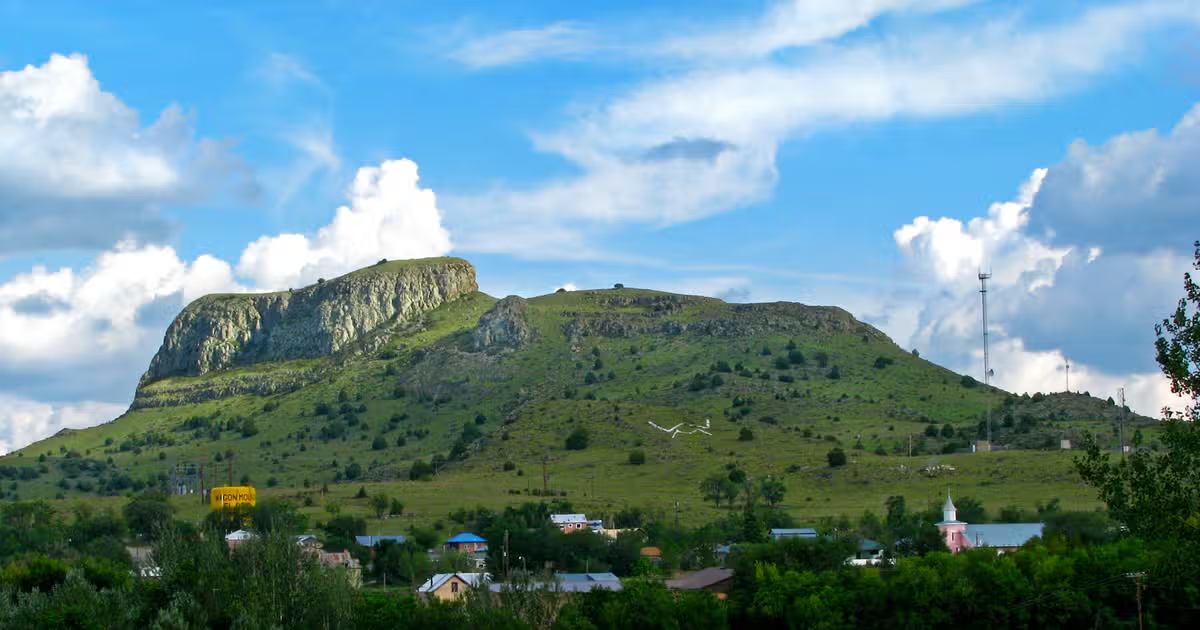
WAGON MOUND, N.M. — Before the bands begin playing, before the first rope is thrown at the rodeo grounds and before the smell of slow-cooked beef drifts across town, somebody has to clean the beans.
That work begins Friday, Sept. 4, at the Wagon Mound Fire Department. It may seem like a simple chore, but it tells the story of Bean Day better than almost anything else: People show up, sit together, and do the work required to keep a 116-year-old tradition alive.
For Wagon Mound, Bean Day is more than another festival marked on the calendar. It is the town’s biggest homecoming.
“Everybody in this community, and everybody originally from here, this is probably their biggest holiday of the year,” Mayor Andres “Andy” Martinez said. “Everybody comes down. There are a lot of family reunions that go on during that weekend.”
Bean Day Association Chairman Robert Garcia understands that attachment. A Wagon Mound native, Garcia was recently elected chairman and is serving his first year in the position after spending years helping wherever he was needed.
“It’s a great honor to have been elected to that position,” Garcia said. “I hope that we do the community proud.”
Organizers expect between 1,200 and 1,500 people during the four-day Labor Day weekend celebration—an enormous gathering for a village of fewer than 300 residents.
The bean-cleaning party begins at about 6 p.m. Friday, accompanied by music from Wild Country. Saturday’s activities include roping, a mud bog, a car show, and an evening dance at the Wagon Mound Public Schools gymnasium featuring Gonzalo.
Sunday begins with a veterans memorial and breakfast. Volunteers will also begin wrapping approximately 500 pounds of beef and preparing it for the underground pit. Jonathan Castillo and Profundo are scheduled to perform at Sunday night’s dance.
The celebration concludes Monday with the parade and the famous free community barbecue.
The meal includes beans and beef cooked underground, along with coleslaw, tortillas and beverages. Garcia said organizers work to prepare enough food so everyone who comes through Wagon Mound can receive a plate.
Cooking food in the earth is not a festival gimmick. It goes back to how northern New Mexico families cooked generations ago, especially during hot summers when firing up a wood stove inside the home made little sense.
The celebration is supported largely through sponsors and donations from ranchers, businesses and families across New Mexico. Garcia estimated that about 90% of the event is funded through those contributions. Any money remaining after the celebration goes toward the following year’s Bean Day.
Garcia credited association members, including Amanda Lovato and Rosalie Valdez for giving their time to continue the tradition established by generations of Wagon Mound families.
The association entered this year with new leadership, and the village stepped in to help it get established. Martinez said the Village Council approved a repayable loan of up to $20,000 to help secure entertainment, rodeo operations and other necessities. The association ultimately borrowed less than $10,000 after raising much of the money on its own.
Behind the scenes, village employees are mowing grass, sweeping streets, trimming trees and preparing the parks, rodeo grounds and other public facilities.
The village built a new rodeo arena in 2023 and added grandstands the following year. Martinez also announced that Wagon Mound recently received funding to develop an RV park near the rodeo grounds. The planned facility will provide hookups for travelers and could also accommodate visitors hauling horses.
“We get everything done before the actual Bean Day celebration starts,” Martinez said. “When they come in, all they have to do is put the show on.”
Most Bean Day activities are free. Admission is charged for the rodeo, mud bog and dances.
Bean Day has survived since 1910 because it has never belonged to only one person or one family. It belongs to the people cleaning beans at the fire department, the village employees cutting grass, the ranchers and businesses making donations, and the volunteers staying late to prepare food for people they may not even know.
The town may be small, but the welcome won’t be.
And on Monday, everyone gets a plate.