
The Raton Range
Sept. 18, 2026 | 4:20 a.m. MST
WASHINGTON — Democratic leaders are expressing increased confidence heading into the final weeks of the 2026 midterm campaign, pointing to improved national polling, concerns about prices and President Donald Trump’s approval ratings, while Republicans say favorable congressional maps, fundraising and competitive candidates give them a path to maintaining control of Congress.
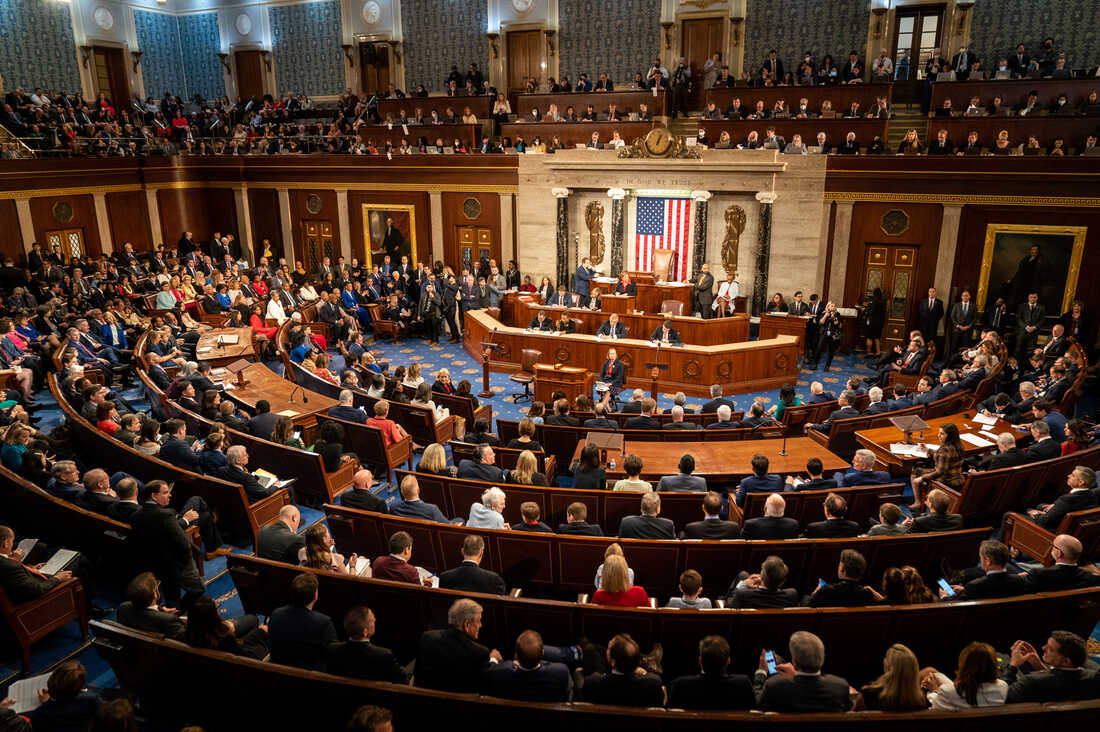
Republicans currently control both chambers. Democrats need a net gain of three House seats to take control of that chamber and four Senate seats to secure a Senate majority. The election is Nov. 3. Early voting began Friday in several states.
A Reuters/Ipsos poll released this week found Democrats leading Republicans 44% to 37% among respondents asked which party they preferred for Congress. The same poll measured Trump’s job approval at 35%, up slightly from a previous low of 33%. Polls represent snapshots of voter opinion and do not determine individual congressional races.
The RealClearPolitics average of national generic congressional ballot polling showed Democrats at 50.5% and Republicans at 41.9% as of Friday morning. Congressional control, however, is determined district by district and state by state rather than through the nationwide popular vote.
Economic concerns remain central to the campaign. A Pew Research Center survey conducted in July found the economy was among voters’ leading concerns and showed Democrats with a six-point advantage among registered voters on the generic congressional ballot at that time.
Democratic Senate Leader Chuck Schumer of New York told The Washington Post that his outlook for his party’s Senate prospects had improved in recent months. Democratic officials have pointed particularly to higher consumer prices, rising fuel costs connected to the Iran conflict and dissatisfaction with the Trump administration as issues they believe are moving voters.
Republican leaders dispute the idea that national polling tells the entire story.
Senate Majority Leader John Thune of South Dakota acknowledged that Republicans face political “headwinds” but said individual Senate races remain close and argued that Republican candidates remain competitive in the states likely to determine control of the chamber.
Republicans also enter the closing weeks with significant advertising resources. Republican-aligned campaigns and groups have reserved substantially more advertising than Democrats in several highly competitive Senate contests, while Republican congressional officials argue that redistricting has reduced the number of truly competitive House districts.
The Senate map presents a separate challenge for Democrats. To reach a majority, the party would need victories in several states that Trump carried in the 2024 presidential election while also defending its own competitive seats. Republicans are targeting Democratic-held or open seats, including contests in Michigan and New Hampshire.
Campaign activity is also intensifying in states that were not initially expected to draw significant national attention. Republican officials have recently campaigned in Kansas, Iowa and other states where races have become more competitive, while Democrats are expanding efforts into traditionally Republican territory.
The closing argument from both parties increasingly centers on the economy. Democrats are emphasizing affordability and household expenses, while Republicans are highlighting their legislative record, immigration, crime and the Trump administration’s policies.
With voting already beginning in portions of the country, national polling provides one measure of the political environment, but dozens of individual House and Senate races will ultimately determine who controls Congress in January.